


Driveway Paving Over Old Asphalt: When Resurfacing Makes Sense
| Key Takeaways: Driveway paving over old asphalt is a practical resurfacing option when the existing pavement is stable, drains properly, and can bond with a new asphalt layer. It should not be used over soft spots, severe cracks, standing water, or base failure. A local inspection helps confirm if resurfacing or replacement makes sense. |
Driveway paving over old asphalt is like giving your driveway a facelift, but it only works when the old surface still has good bones. You can resurface an existing asphalt driveway when the pavement is worn on top, the base is firm, and water drains away from the surface.
A new asphalt layer can improve curb appeal, smooth rough areas, and buy years of use when the structure below can support it. It will not fix deep movement, saturated base material, severe potholes, or cracks that keep spreading. That is where driveway resurfacing changes from a smart repair into a short-term cover-up.
Based in West Palm Beach, Trinity Asphalt Paving helps homeowners, HOAs, condo associations, and businesses across South Florida choose the right fix before work starts.
Our local asphalt paving company handles blacktop driveway installations, asphalt repairs, sealing, patching, sidewalks, and parking lot work.
The Fast Answer
 With driveway paving over old asphalt, the old pavement has to act like the foundation for the new layer. If that foundation is stable, resurfacing can give the driveway a cleaner surface without tearing everything out.
A driveway may be a good resurfacing candidate when:
- The surface looks faded, dry, or rough
- Cracks are shallow and limited
- Water drains off the driveway instead of sitting in low spots
- The edges are still firm
- The driveway height can accept a new layer near the garage, sidewalk, pavers, or gate
- Old patches have stayed stable
| The Federal Highway Administration describes preventive maintenance as work done while pavement is still in good condition and before serious damage begins. That is the right way to think about resurfacing. It works best before a tired driveway becomes a failed driveway. |
What Driveway Resurfacing Can Actually Do
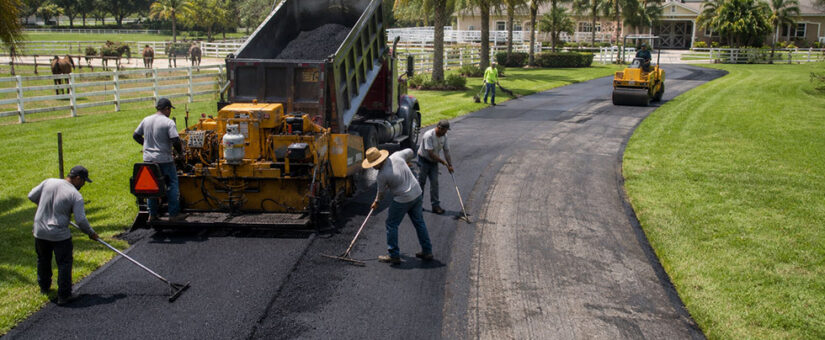
A resurfacing project adds a new asphalt layer over an existing asphalt surface. The goal is to renew the top layer, improve smoothness, and create a stronger wearing surface.
A good driveway paving service starts with prep. Loose material, dirt, sand, leaves, and growth have to come off. Low areas may need to be filled. High tie-ins near concrete, pavers, and garage aprons may need to be cut down.
Bonding matters too. A tack coat helps the new asphalt bond to the old asphalt. Then the new asphalt layer gets placed and compacted. That compaction gives the driveway its shape, density, and support.
When Resurfacing Makes Sense
Resurfacing makes sense when the driveway has surface wear but still drains and carries weight properly. That can include sun-faded asphalt, minor cracking, light raveling, and shallow wear from daily vehicle use.
This is common in South Florida neighborhoods where driveways take heat, rain, irrigation runoff, and palm debris year-round. A shaded driveway under ficus or oak trees can age differently than an open driveway in full sun.
Homeowners in Loxahatchee and The Acreage often deal with longer driveways, gravel edges, and drainage swales. In Wellington and Royal Palm Beach, driveway edges, paver borders, and HOA appearance standards can shape the repair plan. The right solution depends on how the driveway failed, not just how dark the new asphalt will look.

When You Should Not Pave Over Old Asphalt
A new layer cannot solve every problem. If the old driveway has serious structural damage, the new surface may crack, sink, or break apart faster than expected.
Watch for these warning signs:
- Alligator cracking across large sections
- Potholes that return after patching
- Soft spots under tires
- Standing water after normal rain
- Broken driveway edges
- Roots lifting the surface
- Depressed areas near garage aprons or drains
- Large sections that move or pump water under pressure
If these problems show up, asphalt patching and pothole repair may need to happen first. In some cases, full removal and replacement will make more sense than covering old damage.
Why Old Cracks Can Come Back
Cracks often return because the problem did not start at the surface. Water can work through open cracks, soften the base, and weaken the driveway below. Once that happens, a new layer may follow the same movement.
This is often called reflective cracking. Some contractors also call it the mirror effect. The damage below reflects through the new asphalt as the pavement expands, contracts, and carries vehicles.
Understanding these common paving terms helps homeowners understand terms like tack coat, overlay, compaction, subgrade, and reflective cracking before comparing bids. The more you understand the terms, the easier it is to spot a shallow sales pitch.
South Florida Conditions Matter
Heat and summer storms make asphalt decisions different in West Palm Beach than they are in cooler, drier areas. UV exposure dries the binder. Afternoon storms push water into cracks. Irrigation overspray keeps some driveway edges damp even when the rest of the surface looks dry.
In coastal Delray Beach, salt air, sandy soil, and tight older lots can affect drainage and access. Around Boca Raton, mature trees, paver borders, and upscale HOA standards often matter as much as the asphalt itself.
A driveway near equestrian properties in Loxahatchee may need a different plan than a narrow driveway near Atlantic Avenue, a gated community driveway off Lyons Road, or a condo association service drive near Glades Road. Local experience helps catch small site problems before they become repeat repairs.
Resurfacing vs. Repair vs. Replacement
Driveway resurfacing is best for worn but stable asphalt. Patching is better for isolated holes, cuts, and damaged sections. Full replacement is better when the base has failed or the driveway has too much movement.
Here is the simple way to sort it out:
- Patch isolated damage when the rest of the driveway is sound
- Resurface a worn driveway when the base is stable
- Replace the driveway when water, roots, or base failure have spread too far
Regular asphalt driveway maintenance also matters. Crack sealing, cleaning, drainage correction, and sealcoating can help protect a driveway before it needs larger work.

Asphalt Is Also a Practical Material Choice
Asphalt remains popular because it can be installed, repaired, reused, and maintained over time. The National Asphalt Pavement Association reports that asphalt pavement is 100% recyclable; the industry reclaims about 100 million tons of old pavement each year, and about 95% gets reused.
That matters when old asphalt gets milled, removed, or recycled into future pavement materials. It also supports practical repair planning. A resurfaced driveway can extend its useful life when the existing base still has strength, while full replacement can make better use of old material when the structure has failed.
What We Check Before Recommending an Overlay
A good recommendation starts with the existing driveway. The surface tells part of the story, but the base, drainage, elevation, and edges tell the rest.
We look at:
- Crack pattern and crack depth
- Areas that stay wet
- Edge support
- Tire depressions and soft spots
- Previous patches
- Garage and sidewalk heights
- Paver or concrete tie-ins
- Drainage toward swales, streets, or catch basins
- Daily use from cars, trucks, trailers, or service vehicles
This is especially important for HOAs and condo associations. A small drainage issue in one driveway can affect a shared walkway, parking area, or private road. The same logic applies to parking lot asphalt projects for offices, retail centers, medical plazas, and community properties.
A Local Team Makes the Difference
Trinity Asphalt Paving is a responsive South Florida asphalt company with experience across residential and commercial projects. Our family-owned asphalt paving team brings three generations of experience to driveway, sidewalk, parking lot, repair, sealing, and patching work.
 That local experience matters. A driveway in Boca Raton with decorative paver borders may need different prep than a rural driveway in Loxahatchee. A property in Delray Beach with tight access may need different staging than a home near Southern Boulevard or a business near Okeechobee Boulevard in West Palm Beach.
Good resurfacing starts with a straight answer. If the old asphalt can support a new layer, we will explain why. If it cannot, we will tell you that too.
A Better Driveway Starts With the Right Call
Driveway paving over old asphalt makes sense when the existing driveway is stable, drains properly, and can bond with a new asphalt layer. It does not make sense when the base is soft, the cracks are spreading, or water is already causing damage below the surface.
If your driveway looks tired and you want a clear answer before spending money, call Trinity Asphalt Paving. We can inspect your surface, explain your options, and help you choose the repair that fits your property.
Click here or give us a call for a free, no-obligation quote.
Trinity Asphalt Paving, Inc.
📍 6643 Royal Palm Beach Blvd. West Palm Beach, FL 33412
📞 Call 561-889-2615
- Posted by Trinity Asphalt Paving
- On July 29, 2026
- 0 Comment

